

Every night, it’s the same thing: you go to bed exhausted, ready to sleep peacefully, but then insomnia comes and disrupts your sleep again.
As a result, in the morning, you wake up even more tired than the day before and in a bad mood. It really is a pain!
But did you know that there are some good old granny techniques to put an end to these nasty bouts of insomnia and naturally regain sleep without resorting to sleeping pills?
So what are these miracle remedies? Listen up (or rather, open your eyes), Granny is telling you everything!
Insomnia, a recurring and disabling sleep disorder

But what is insomnia?
It is a lack of sleep and/or poor sleep quality.
People who suffer from insomnia feel that they have slept poorly and have not had restorative and restful sleep.
This very common sleep disorder, especially in adults, but also in children, manifests in different ways:
- difficulty falling asleep
- waking up once or more during the night with difficulty falling back asleep
- waking up too early in the morning
Some people only have one of these nighttime disorders, but it is also possible to experience all of them at once during the night.
When insomnia occurs following a disturbing or stressful event (illness, bereavement, poor environmental conditions, upset…), it is said to be occasional and sporadic.
On the other hand, it becomes chronic when it occurs more than three times a week, for at least one month.
The main causes of insomnia: the effects of stress, our lifestyle, screens

According to the National Institute of Sleep and Vigilance (INSV), 1 in 5 French people suffers from insomnia.
A 2023 INSV/MGEN survey also reveals that 37% of us are dissatisfied with the quality of our sleep and 42% of us report suffering from at least one sleep disorder, including 20% with insomnia.
Several factors can cause insomnia.
Stress, anxiety, and depression

It is a fact: sleeping well when you are stressed is difficult. You have probably already slept poorly because of a stressful situation or a positive or negative event that disrupts our sleep.
In most cases, insomnia is temporary, most of the time.
But sometimes, it is impossible to fall back asleep even once the situation has been resolved. Insomnia becomes a disease in itself, caused by impaired mental health.
And unfortunately, in recent years, it seems that the link between sleep problems and anxiety-depressive disorders is becoming stronger and stronger.
Anxiety, stress, and depression are at the root of more than half of all insomnia cases.
The 2023 INSV/MGEN survey also clearly highlighted the reciprocity between the two.
Thus, 30% of people with depression suffer from insomnia and 23% of people with insomnia suffer from depression. Similarly, 35% of people with anxiety are prone to insomnia and 54% of people with insomnia suffer from anxiety.
Lifestyle
Bad habits and an unhealthy lifestyle can explain sleep disorders.

This is not all: unfavorable environmental conditions for falling asleep also increase the risk of insomnia.
This includes, in particular:
- 🌡️ A bedroom temperature that is too high or too low: there is an ideal temperature for sleeping, it is proven
- 🔉 Noise: think about trying a noise-canceling headset to fall asleep more easily
- 💡 Too much light : because yes, light can prevent you from sleeping (even daylight!)
- 🕙 Irregular bedtime: it is better to stick to a healthier routine with fixed times to regulate yourself
- 🛏️ Unsuitable bedding: invest in a quality mattress, bed base, pillows, and duvet! You can also try weighted blankets, as their deep pressure on the muscles can help you sleep better
Finally, a disrupted lifestyle (night work, frequent travel, jet lag…), can disrupt sleep.
Screens

There is no need to emphasize the omnipresence of screens in our lives for the generation of hyperconnected people that we are.
However, it is good to remember that these little technological tools are not without consequences for our health.
If you are a regular reader of our articles, you already know the harmful effects they can have on your eyes and you also surely know that they are not good at all for sleep quality. We have also written a whole article on this subject that we highly recommend you read (if you haven't already): screens and sleep, the complete guide.
The culprit? The harmful blue light that emanates from them.
It stops the production of melatonin, this sleep hormone that promotes your falling asleep and allows you to have sweet and peaceful nights.
Exposure to screens at the end of the day, in the evening, and just before bedtime is therefore particularly bad. And it is even worse during the night: when you look at your smartphone to see who sent you a message at 3 a.m., your path to sleep will be much more difficult!
Certain conditions

It can happen that insomnia is due to a physical illness such as:
- Thyroid disorders (hyperthyroidism)
- Prostate disorders
- asthma
- Gastroesophageal reflux
- allergic rhinitis
- Cancer, rheumatism
Or it is caused by a sleep-related illness exclusively such as:
- restless legs syndrome, which manifests as very unpleasant sensations in the legs when lying down, forcing you to get up and move
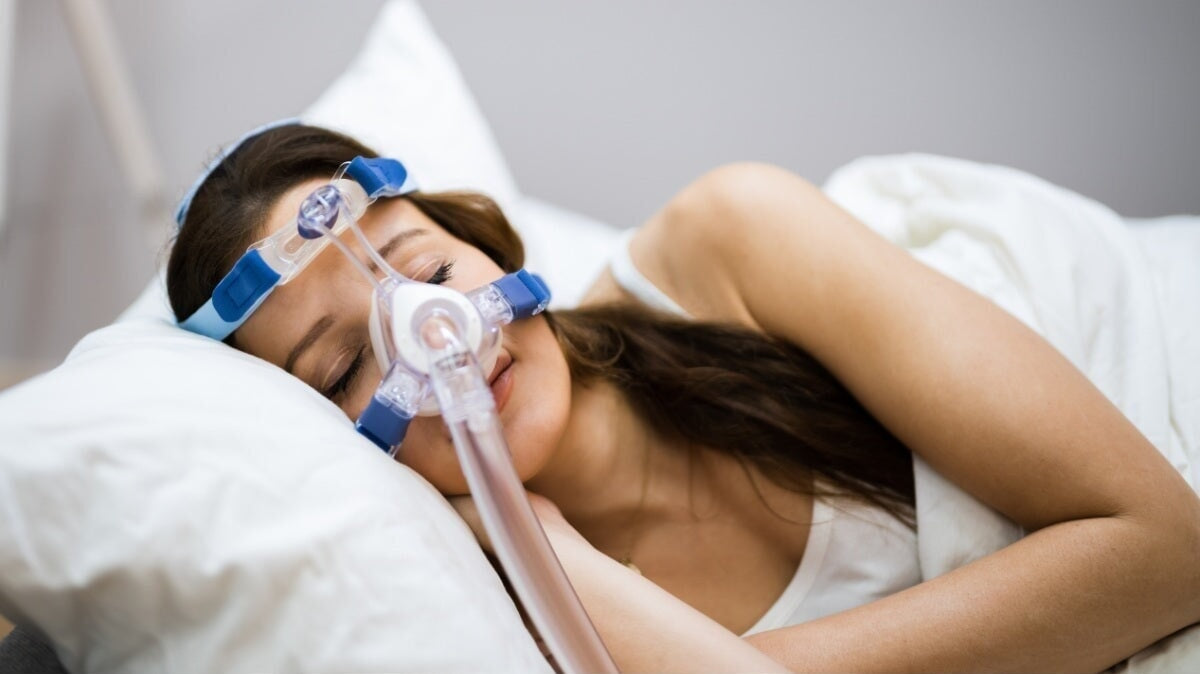
- sleep apnea: these pauses in breathing for more than 10 seconds prevent you from breathing properly and fragment your sleep
The consequences of insomnia

Insomnia does not only have an impact on the nights, but also on the following day.
Indeed, sleeping poorly affects the quality of the day by affecting the quality of social life as well as physical and mental activities.
Thus, after a bad night, you will feel the undesirable effects during the day:
- 🥱 General fatigue
- 😴 Drowsiness
- 😠 Mood disorders: irritability, nervousness, aggression
- 🤔 Difficulties concentrating, memorizing, and paying attention
Granny's natural solutions against insomnia

All that is very nice, but would you like to know now how to sleep better? Don't worry, we are coming to it!
Just for you, we have gathered all of Granny's best natural treatments against insomnia to help you regain deep and restorative sleep.
🪻 Essential oils with soothing properties: lavender, Roman chamomile
It is impossible to talk about granny remedies without mentioning the famous essential oils, the best friends of our dear Grannies!
Some of them are reputed for their soothing and relaxing properties, highly beneficial for quality sleep.
Among the most effective, we can mention lavender, marjoram, bergamot, sweet orange, Roman chamomile, and bigarade petitgrain essential oils.
You can use them orally or topically, or diffuse a few drops of essential oil directly with an essential oil diffuser.
To learn more about the benefits of these natural remedies, we recommend you read our article which essential oil for sleep to help you regain a deeper and more restorative sleep.
🥛 Warm milk
THE age-old grandmother's trick.
Drinking a glass of warm milk 5 to 10 minutes before going to sleep is highly effective.
Why? Simply because milk contains tryptophan, an amino acid that helps produce serotonin, a hormone that promotes sleep and triggers the secretion of melatonin, also known as the sleep hormone.
🍵 Herbal teas and infusions
To sleep better naturally, certain plants have excellent sedative properties to combat insomnia and promote peaceful sleep.
Treat yourself to a small cup of hot water with chamomile, valerian, lemon balm, verbena, linden, or hawthorn tea or infusion 30 minutes before bedtime to induce drowsiness.
🛁 A warm bath

What could be better than taking a warm bath before going to bed to relax?
In addition to relaxing the muscles and joints, the warmth reduces mental tension and the stress accumulated during the day. A small warning, however: a warm bath can help you fall back asleep, but make sure not to exceed 37 to 40 degrees to enjoy its benefits without risking your sleep or blood circulation.
🧘 Relaxation techniques

To start your night in the best possible conditions, you can try different relaxation methods to help you unwind and clear your mind of negative thoughts that keep playing on loop in your head.
You can practice deep breathing exercises, sophrology, gentle yoga (for this, you can use our practical guide to the best yoga poses to do in bed), meditation, or even hypnosis.
It's up to you to see what suits you best to relieve stress before sleep!
💊 A magnesium supplement

This mineral plays an essential role in biological functions, including those related to sleep.
It greatly helps relax the muscles and thus promotes falling asleep. Thanks to its calming effect on the nervous system, it greatly helps combat the effects of stress.
A magnesium deficiency increases stress and anxiety levels and contributes to the onset of sleep disorders such as insomnia and waking up during the night.
So don't hesitate to take a magnesium supplement in case of sleep disorders.
You can find it in many foods such as dark chocolate, whole grains, legumes, spinach, nuts, or in the form of dietary supplements.
🥬 A good diet

Another natural remedy that we don't always think of is diet! Did you know that the way you eat has a direct impact on the quality of your sleep?
To sleep well, favor foods rich in tryptophan and magnesium. Also include omega-3s, B vitamins, starches and, good news, a little touch of sugar that promotes falling asleep by inducing drowsiness.
If you want to be an expert on the subject, we've thought of you. Find out everything you need to know about the foods to favor to sleep better!
🛌 A bedtime routine
We mentioned it earlier: for a good night's sleep, there's nothing better than establishing a routine to prepare your body and mind for bedtime.
Engage in relaxing activities such as reading a book, listening to soft music, and creating an atmosphere conducive to calm and relaxation.
This evening routine will put you in the right state of mind to fall asleep quickly and easily.
Final word: grandmother's remedies for sleep disorders
Are you wondering how to sleep well? Know that there are plenty of natural solutions to improve your sleep and fall easily into Morpheus's arms without resorting to sleeping pills and other medications.
Among these good old tricks, the use of essential oils, relaxation techniques (yoga, meditation, sophrology), a good diet, herbal teas and infusions, or even a bedtime routine that help you fall asleep can be highly effective. With these old remedies, there's no doubt you'll sleep like a baby again!
Finally, in case of difficulty falling asleep, we recommend consulting a sleep specialist who will know how to help you if your problems persist.